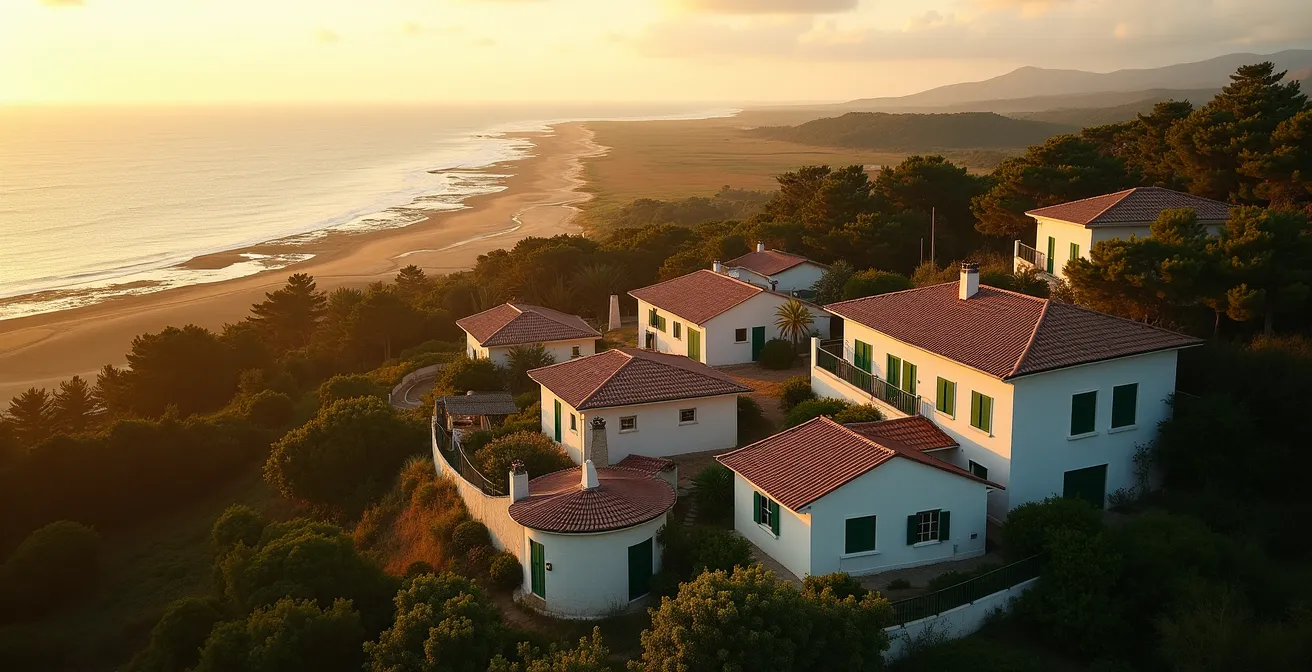
Île de Ré has emerged as a destination where luxury transcends mere amenities. Unlike resorts that manufacture exclusivity through marketing, this Atlantic island off the coast of La Rochelle attracts sophisticated travelers through structural design rather than promotional effort. The bridge toll, UNESCO biosphere protections, and architectural regulations create a naturally filtered environment that appeals to those seeking substance over spectacle.
Understanding what transforms a villa rental into an authentic cultural immersion requires looking beyond property features to the island’s distinctive positioning. The Île de Ré villa rentals that deliver the most meaningful experiences are those positioned at the intersection of geographical intelligence, architectural literacy, and temporal awareness. This approach shifts selection criteria from transactional convenience to cultural participation.
The following framework reveals how discerning travelers decode the island’s hidden micro-zones, read authenticity signals in villa architecture, calibrate timing for insider access, and cultivate relationships that convert accommodations into community gateways. Each dimension builds upon structural mechanisms that make Île de Ré inherently selective rather than simply expensive.
Île de Ré Villa Selection in 5 Key Insights
- The island’s infrastructure naturally filters for quality-focused travelers through bridge tolls, development restrictions, and bicycle-centric mobility that deter mass tourism
- Villa positioning matters more than village reputation—micro-terroirs based on maritime heritage, artist communities, and market proximity determine authentic atmosphere
- Architectural details reveal cultural integration: traditional fisherman’s cottages versus vintner’s houses, legally protected green shutters, and native garden plantings signal genuine heritage
- Strategic timing unlocks different experience layers—June and September offer cultural richness, while 10-14 day stays enable invitation-based local connections
- Owner-operated properties provide knowledge access and relationship equity that investment-managed villas cannot replicate
How Île de Ré’s Self-Selecting Geography Shapes Its Traveler Profile
The island’s selectivity begins before travelers arrive. The 2.9-kilometer bridge connecting Île de Ré to mainland France charges a toll that varies seasonally, reaching €16 during peak summer periods. This economic threshold, combined with the absence of airport access or mass transit connections, creates a behavioral filter. Budget-conscious tourists gravitating toward high-volume destinations naturally select alternative locations, while those prioritizing quality over cost proceed without hesitation.
Legislative protections reinforce this structural selectivity. UNESCO biosphere reserve designation mandates that 80% of the island is protected from development, with strict building codes preserving exclusivity through regulated construction density. These legal constraints prevent architectural homogenization and limit available properties, creating scarcity through governance rather than artificial restriction. The result is a permanently constrained supply that naturally elevates property values and filters prospective renters.
The island’s distinctive fortress architecture and maritime heritage attract travelers whose values align with environmental consciousness and cultural preservation. These structural elements work in concert to shape not just who visits, but who returns and integrates into the island’s social fabric.
The physical evidence of this selective mechanism appears in ownership patterns and local business ecosystems. Second-home owners maintain properties for personal use rather than maximum rental yield, creating a villa rental market characterized by quality curation rather than volume optimization. This ownership structure directly influences the sophistication of local restaurants, markets, and cultural offerings, which calibrate to resident expectations rather than transient tourist demand.
The isolation and drastic town-planning regulations have made properties for sale on the island rare gems
– Sotheby’s International Realty, Luxury real estate market analysis
The bicycle infrastructure that spans the island’s 100 kilometers of dedicated paths reinforces cultural values. Car-free village centers and the social norm of cycling for daily errands attract demographics seeking slower-paced, environmentally mindful travel. This self-selection mechanism operates continuously, creating an ecosystem where villa renters encounter like-minded travelers rather than mass tourism crowds.
| Period | Access Method | Average Property Value |
|---|---|---|
| Pre-1988 | Ferry only | €400,000 |
| Post-bridge (1988-2020) | Bridge with toll | €1-3 million |
| 2020-2024 | Regulated bridge access | €1.5-10 million |
Understanding these mechanisms answers a question most luxury destinations avoid: what actually creates the atmospheric quality you’re purchasing? On Île de Ré, exclusivity emerges from documented structural factors rather than marketing claims, providing discerning travelers with verifiable validation for their accommodation investment.
Decoding the Island’s Micro-Terroirs for Villa Positioning
Generic village recommendations obscure the island’s most important geographical intelligence. While competitors list Saint-Martin-de-Ré or Ars-en-Ré as desirable locations, this surface-level guidance ignores the micro-zones within and between villages that determine actual living experience. The island’s 30-square-kilometer area contains distinct cultural ecosystems shaped by maritime heritage, agricultural traditions, and resident demographics.
The northern coast presents a wilder, artist-colony atmosphere. Villages like Les Portes-en-Ré and La Couarde-sur-Mer attract creative professionals and environmental advocates drawn to dramatic landscapes and less-developed infrastructure. Villas positioned here offer isolation and natural beauty but limited access to daily markets and social infrastructure. This zone suits travelers seeking contemplative retreats rather than cultural immersion.
By contrast, the southern coast embodies refined oyster-culture sophistication. The productive oyster beds around Ars-en-Ré and Le Bois-Plage-en-Ré support working maritime economies that generate authentic local interactions. Morning markets feature fishermen selling direct catches, and evening port activity provides genuine community observation rather than staged tourist experiences. Villa positioning within walking distance of working ports signals integration into daily island rhythms.
Saint-Martin-de-Ré UNESCO Heritage Impact on Property Values
Analysis shows properties within Saint-Martin’s fortified walls command 40% premium over similar island properties, with UNESCO designation in 2008 accelerating demand from international buyers seeking authenticated heritage locations. This premium reflects not just historical architecture but access to year-round cultural programming, artisan workshops, and the concentration of owner-operated restaurants that remain open beyond tourist season. Villas within the fortifications provide immersion in living heritage rather than museum-preserved history, though the density and tourist foot traffic may not suit all preferences.
Eastern villages maintain year-round community vitality. Rivedoux-Plage and Sainte-Marie-de-Ré host permanent residents whose children attend local schools and whose social calendars extend beyond summer months. Villas in these zones provide access to authentic seasonal rhythms—the September grape harvest, November oyster festivals, and winter market cycles that reveal island life beyond tourist season. This positioning rewards extended stays and return visits that build relationship continuity.
The western tip around Phare des Baleines offers dramatic landscape isolation. This zone attracts travelers prioritizing natural environment over cultural interaction, with villa selection emphasizing ocean views and beach proximity rather than village integration. Understanding this geographical psychology allows matching villa location to actual travel priorities rather than generic “best village” rankings.
Vineyard zones, salt marsh areas, and forest pockets create additional micro-cultures. Properties adjacent to working salt marshes around Ars-en-Ré provide front-row observation of traditional saunier techniques, while vineyard-adjacent villas near Saint-Martin offer harvest season participation. These micro-positioning choices determine whether a rental delivers passive luxury consumption or active cultural engagement.
When choosing vacation rentals wisely, the question shifts from “which village” to “which microculture aligns with my actual travel values.” This geographical intelligence transforms villa selection from popularity contest to strategic cultural positioning.
Reading Villa Architecture as Cultural Authenticity Signals
Property photographs showcase pools and ocean views but conceal the architectural literacy that distinguishes authentic integration from expensive pastiche. The island’s traditional building typologies—maison de pêcheur versus maison de vigneron—reveal neighborhood heritage and original economic functions that persist in community character. Fisherman’s cottages feature compact footprints, ground-floor boat storage converted to living space, and proximity to harbor infrastructure. Vintner’s houses display larger proportions, attached barn structures, and positioning within vineyard zones.
Recognizing these typologies allows reading a villa’s authentic relationship to its location. A renovated fisherman’s cottage in Ars-en-Ré signals genuine maritime neighborhood integration, while a new-construction villa mimicking traditional forms may occupy the same village without belonging to its cultural fabric. This distinction matters for travelers seeking authentic atmosphere rather than architectural theater.
The island’s legally protected visual identity centers on green-shuttered white facades. Municipal regulations mandate these color schemes within historic zones, creating uniformity that paradoxically enables authenticity discernment. Villas displaying weathered shutters with traditional hardware versus freshly painted replicas with modern mechanisms reveal owner investment in heritage preservation versus regulatory compliance. Similarly, limestone walls showing natural patina signal long-term family ownership, while pristine renovations often indicate recent investment property conversion.
Properties that demonstrate thoughtful integration of contemporary villa amenities reveal sophisticated ownership. Extended stays require modern comfort, but execution matters profoundly for maintaining the cultural integrity that creates villa rental value in premium markets.

Modern additions like pools and extensions executed with respect to traditional proportions and materials demonstrate cultural literacy. Saltwater pools using local stone coping, garden walls built with reclaimed island limestone, and roof extensions maintaining original pitch angles preserve architectural harmony. Conversely, incongruous luxury imports—infinity pools with glass edges, contemporary minimalist additions, or tropical landscaping—signal owners prioritizing personal preference over contextual integration.
Garden design provides immediate authenticity indicators. Native species including hollyhocks, climbing roses, and tamarisk trees reflect traditional Rétais horticultural practices adapted to Atlantic maritime conditions. These plantings require minimal irrigation and survive salt spray, demonstrating environmental appropriateness. Generic Mediterranean landscaping with lavender, olive trees, and ornamental grasses signals design trends imported from incompatible climates, revealing owners disconnected from local ecological knowledge.
Interior preservation choices extend this literacy. Original features like exposed beam ceilings, stone fireplaces, and terracotta tile floors maintained through renovation indicate respect for architectural heritage. Complete gut renovations installing contemporary interiors within historic shells prioritize modern aesthetics over cultural continuity. For travelers investing in Île de Ré specifically rather than generic luxury, these details determine experiential authenticity.
This architectural reading transforms villa selection from aesthetic preference to cultural validation. The question becomes not “which property looks most appealing” but “which villa demonstrates authentic integration into island heritage that justifies premium positioning.” This literacy ensures accommodation investments deliver the distinctive cultural immersion that differentiates Île de Ré from interchangeable luxury destinations.
Temporal Intelligence: Calibrating Your Stay to Island Rhythms
Rental duration and seasonal timing function as strategic variables that unlock different layers of island access. While competitors mention shoulder season pricing advantages, they overlook how timing fundamentally alters experiential depth. The island operates on overlapping temporal cycles—tourist season, agricultural rhythms, cultural programming, and social calendars—that create distinct opportunity windows for authentic engagement.
June and September emerge as cultural sweet spots when island infrastructure operates at full capacity without August saturation. Local festivals including the June Fête de la Musique and September maritime heritage celebrations engage year-round residents rather than tourist audiences. Market quality peaks during these months as fishermen and farmers maintain full production for local demand, creating optimal provisioning experiences for villa renters seeking authentic ingredients.
Extended stay durations activate relationship-building impossible in shorter rentals. The invitation-based experiences that define cultural insider status—private vineyard tastings with small producers, fisher family meals, artisan workshop access—require trust development that week-long stays cannot establish. Property owners and local contacts evaluate renter behavior during initial days before extending invitations, creating a temporal threshold typically requiring 10-14 day commitments.
Market cycles follow weekly rhythms that rental start dates affect significantly. Morning markets rotate through villages on fixed schedules, with Saint-Martin’s Saturday market representing the week’s pinnacle. Rentals beginning midweek allow acclimation before peak market days, while weekend arrivals miss optimal provisioning opportunities. This seemingly minor timing detail determines whether villa stays include fresh-caught fish selection with fishermen or resort to supermarket substitutes.
Off-season periods from October through April reveal the island’s year-round resident infrastructure. Restaurants remaining open serve locals rather than tourists, creating authentic dining atmospheres impossible during peak season. Cultural programming shifts to community events—theater performances, art exhibitions, wine tastings—that welcome engaged visitors while filtering casual tourists. This period rewards travelers prioritizing depth over convenience, as reduced services require greater initiative but enable genuine local integration.
The booking window itself affects experience quality. Properties securing reservations 12-18 months ahead indicate high demand from repeat visitors, signaling both quality and limited availability for relationship-building. Last-minute availability may reflect either cancellation fortune or properties that regular renters avoid, requiring additional due diligence to distinguish these scenarios. Those interested can explore luxury getaway options that balance spontaneity with quality assurance.
Understanding these temporal dimensions transforms rental planning from schedule accommodation to strategic cultural positioning. The question shifts from “when can I book” to “when does timing activate the authentic experiences justifying Île de Ré’s premium.” This intelligence ensures villa investments deliver access to the island’s living culture rather than its tourist-facing facade.
Key Takeaways
- Île de Ré’s exclusivity stems from structural mechanisms—UNESCO protections, bridge tolls, and bicycle infrastructure—that naturally filter for discerning travelers
- Micro-positioning within vineyard zones, working ports, and artist communities matters more than generic village selection for authentic atmosphere
- Architectural literacy reveals integration quality through traditional typologies, protected green shutters, and native garden species versus imported aesthetics
- Strategic timing during June and September, combined with 10-14 day stays, unlocks invitation-based experiences impossible in shorter visits
- Owner-operated villas provide cultural gateway access through relationship equity that transforms accommodations into community membership
Cultivating Villa Relationships That Transcend Transactions
The final dimension separating meaningful villa experiences from luxury lodging involves recognizing accommodations as relationship infrastructure. While most rental platforms optimize for booking efficiency, they obscure the social intelligence that converts property access into cultural gateway. The distinction between owner-operated villas and investment properties managed through agencies determines available knowledge access and relationship development potential.
Owner-operated properties provide direct connection to individuals embedded in island social networks. These owners maintain decades-long relationships with local fishermen, vintners, artisans, and restaurant proprietors, offering introduction potential that no amount of independent research replicates. By contrast, agency-managed investment properties deliver professional service but lack personal social capital to share. This structural difference explains why comparable properties yield vastly different cultural access despite identical amenities.
Pre-arrival communication strategies signal genuine cultural interest versus transactional tourist mindset. Inquiries about local market schedules, bicycle route recommendations, or seasonal specialties demonstrate engagement that owners reward with detailed knowledge sharing. Generic questions about wifi speed and check-in procedures, while practical, establish purely commercial relationships. This initial positioning determines whether owners view renters as valued guests or revenue sources, fundamentally shaping subsequent interaction quality.
The protocol of French villa relationships centers on house books, local recommendations, and the art of respectful questions. Well-maintained properties include detailed guides to island rhythms, preferred suppliers, and cultural context that represent accumulated local knowledge. Engaging these resources before requesting additional information demonstrates respect for provided guidance, building rapport that encourages further sharing. Direct questioning without consulting available materials signals entitlement that French cultural norms find particularly off-putting.
Behavior during initial stay days creates lasting reputation capital. Respectful property treatment, genuine interest in local recommendations, and appropriate social boundaries establish trust that unlocks progressive invitation levels. Owners observing conscientious guests may suggest restaurant reservations they facilitate personally, introduce renters to neighboring property owners, or invite participation in local events typically closed to outsiders. These invitation cascades require initial demonstration of cultural compatibility.
Converting villa stays into return invitation capital involves recognizing the long-term relationship potential rather than extracting maximum value from single visits. Guests who treat properties as homes rather than hotels, who express appreciation for local introductions, and who provide thoughtful feedback create relationship equity. This approach positions future stays as welcomed returns rather than commercial transactions, often yielding booking priority, flexible terms, and deepening local network access.
The distinction matters profoundly for travelers seeking ongoing connection to Île de Ré rather than single luxury experiences. Investment properties turnover renters indiscriminately, while owner-operated villas cultivate selective guest relationships that compound over time. This relational dimension transforms villa rentals from accommodation transactions into cultural integration pathways, delivering the insider status that discerning travelers value above material amenities.
Understanding this social infrastructure reveals why certain travelers develop decade-long Île de Ré patterns while others sample the island once and move elsewhere. The difference lies not in property features but in recognizing and activating the relationship opportunities that convert rentals into community membership—the ultimate luxury that wealth alone cannot purchase.
Frequently Asked Questions on Island Villa Rentals
What is the optimal booking window for authentic experiences?
10-14 day stays unlock invitation-based experiences like private vineyard tastings, as shorter rentals limit relationship-building with local hosts. This extended duration allows property owners and local contacts to assess guest compatibility before extending invitations to closed cultural events and personal introductions that define insider access.
How can I identify owner-operated villas versus investment properties?
Owner-operated villas typically feature detailed house books with personal recommendations, direct communication during booking, and flexible terms reflecting relationship priorities over transaction optimization. Investment properties emphasize standardized processes, agency intermediaries, and consistent pricing that signals commercial management focused on volume rather than guest curation.
Which micro-zones best suit travelers prioritizing cultural immersion over beach access?
Eastern villages like Sainte-Marie-de-Ré and properties near working ports around Ars-en-Ré provide year-round community access and authentic market ecosystems. These zones maintain social infrastructure beyond tourist season, enabling participation in local rhythms rather than passive consumption of scenic amenities concentrated in western coastal areas.
What architectural features indicate authentic heritage integration?
Traditional typologies including compact fisherman’s cottages near harbors or larger vintner’s houses within vineyard zones, weathered green shutters with period hardware, and native garden plantings using hollyhocks, roses, and tamarisk signal genuine heritage preservation. These elements demonstrate owner commitment to cultural continuity rather than regulatory compliance through superficial aesthetic mimicry.